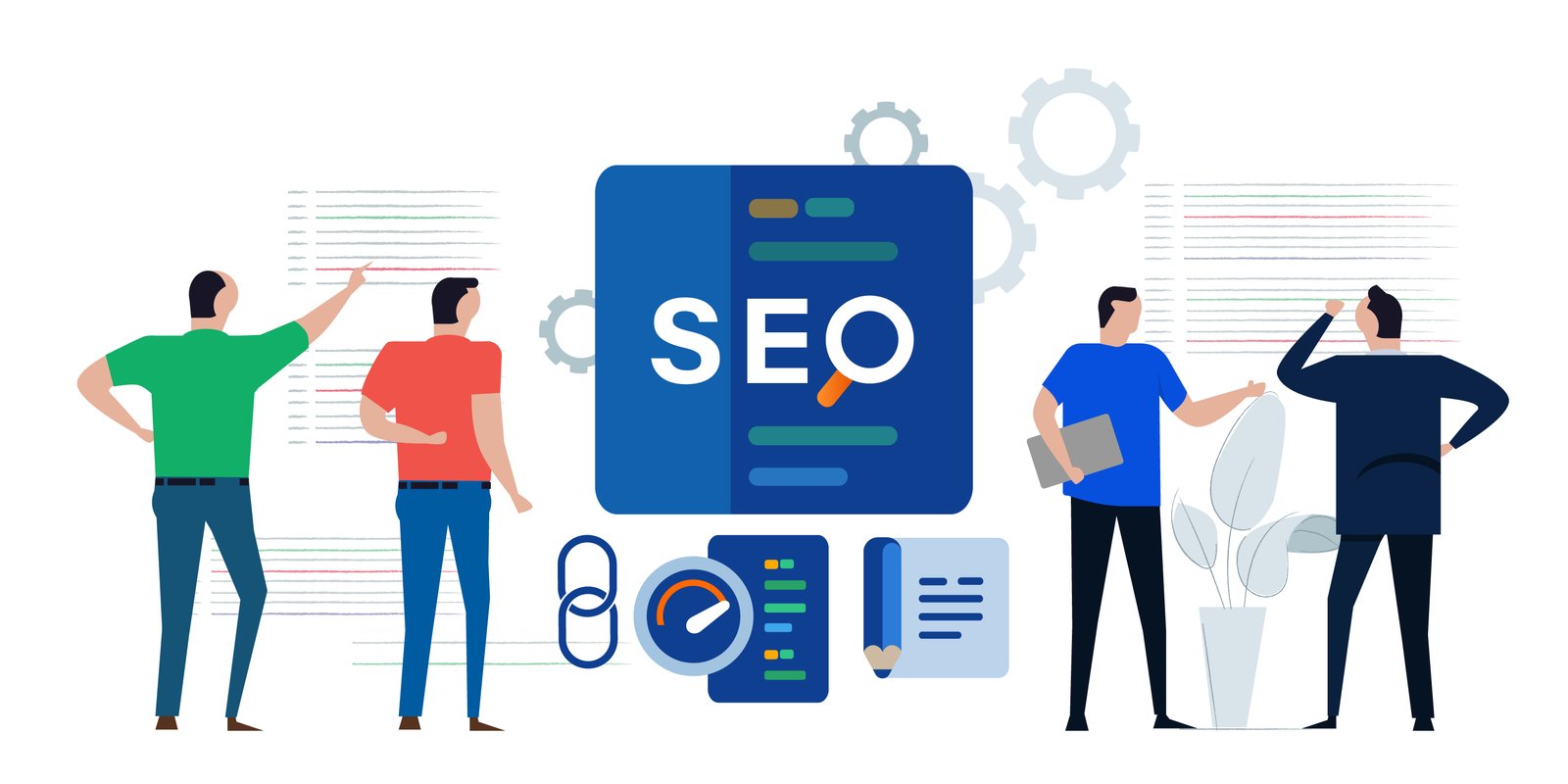
When you walk down a crowded street lined with shops, your eyes naturally go to the storefronts that stand out — clear signs, inviting doors, and vibrant displays. Those places catch your attention and get your foot in the door. Online, the visibility of a website works in much the same way, except it's search engines like Google that decide which "shops" go up front. The art and science of earning that prime spot is called SEO, or Search Engine Optimization.
SEO is all about making your website as easy to discover, understand, and trust as possible — not just for Google, but for real people looking for answers, services, or products. Whether you're writing your first blog as a beginner or building an online presence for a global brand, smart SEO ensures your site isn't lost in the crowd.
Key Insight
This guide aims to break down how SEO works, why it makes a real difference, and how anyone can use practical, human approaches to climb higher in search results without feeling overwhelmed or needing technical expertise.
What Is SEO?
SEO, or Search Engine Optimization, is all about making your website easier for search engines like Google, Bing, or YouTube to discover and understand. When someone searches for information related to your content, SEO helps your site appear higher in the search results.
The higher your website ranks, the more likely people are to visit it without you having to spend money on ads. This increased visibility builds trust with visitors and creates greater chances for your business or project to grow. Simply put, SEO is the way your website gets noticed on the internet.
Organic Growth
SEO drives sustainable traffic without ongoing ad spend, making it cost-effective for long-term growth.
Trust Building
Higher search rankings build credibility — 75% of users never scroll past the first page of results.
Why SEO Matters in 2025
SEO is not just a tool for large companies. It levels the playing field, helping local bakeries, personal bloggers, or e-commerce stores reach new audiences.
Free Traffic
Unlike paid ads, organic traffic costs nothing for each visitor
Builds Trust
Most people trust Google's top results over ads
Brand Awareness
Higher rank increases recognition and visibility
Long-term Results
Your website keeps working even if you pause ads
Traffic Distribution
Today, 50% or more of website traffic for most businesses comes from organic search. That's why SEO remains powerful and deserves attention.
How Do Search Engines Work?
Imagine Google as a giant library. To organize billions of web pages, it uses three main steps:
Crawling
Google sends out "spiders" (automated bots) that constantly scan the web. These spiders visit web pages, follow links, and collect information.
Tip: If your site is crawlable, Google will be able to discover and index it.
Indexing
Once discovered, the page may be put into Google's massive database (the "index").
Quality: High quality, original, and valuable content is more likely to get indexed.
Ranking
When someone types a question, Google sorts through its index and ranks pages based on hundreds of factors.
These "ranking factors" decide which sites appear at the top.
Key Ranking Factors in 2025
Google's algorithm examines over 200 signals, but several show up again and again as critical ranking factors:
Content Quality & Relevance
CriticalWell-targeted and unique content for what people actually search for
Backlinks & Authority
Very HighQuality websites linking to yours increase trust and authority
Page Speed & Core Web Vitals
HighFast pages keep users happy and reduce bounce rates
Mobile Friendliness
CriticalYour website must work perfectly on any device or screen size
User Experience (UX)
HighFocus on making visitors happy by answering their questions
EEAT Signals
Very HighExperience, Expertise, Authority, and Trustworthiness matter
The Three Core Pillars of SEO
Technical SEO
Website structure & performance optimization
On-Page SEO
Content & page-level optimizations
Off-Page SEO
External authority & reputation signals
Types of SEO for Different Business Needs
Different types of websites have different needs, so SEO strategies vary depending on your goals and industry.
Local SEO
Optimize for local searches & Google Maps
Best for:
E-commerce SEO
Optimize product pages & category structures
Best for:
Video SEO
Optimize videos for search & discovery
Best for:
Healthcare SEO
Medical content & HIPAA-compliant marketing
Best for:
Enterprise SEO
Large-scale SEO for big organizations
Best for:
Voice Search SEO
Optimize for voice assistants & natural language
Best for:
Keyword Research: The Heart of SEO
At the center of successful SEO sits keyword research. Keywords are the words and phrases people type into Google. To attract visitors, you need to know what your audience is searching for — and use those keywords in your content.
How to Find Valuable Keywords:
Use SEO Tools
Free tools: Google Keyword Planner, Ubersuggest
Premium tools: SEMrush, Ahrefs
Analyze Competition
Look for terms with good search volume but manageable competition
Keyword Strategy
Primary keywords (main topics) + Secondary keywords (supporting terms)
Fresh Ideas
Use Google Trends or "People Also Ask" for current search patterns
Modern SEO Trends for 2025
SEO is always evolving. Here's what matters most in 2025 for staying ahead in search rankings:
AI-Powered Search
HighTools like Google Gemini and ChatGPT influence how results are shown
Core Web Vitals
CriticalGoogle measures site speed, interactivity, and visual stability
Zero-Click Searches
HighMore answers appear directly on search results pages
Video & Voice SEO
GrowingOptimizing for voice assistants and video platforms
SEO Success Tips to Follow
Common SEO Mistakes to Avoid:
Simple SEO Checklist
Monthly
- ✓ Monitor keyword rankings
- ✓ Review analytics data
- ✓ Update older content
Quarterly
- ✓ Detailed SEO audit
- ✓ Backlink analysis
- ✓ Competitor research
Yearly
- ✓ Update SEO strategy
- ✓ Technical site audit
- ✓ Content gap analysis
The Future of SEO
SEO's foundation — helpful content, technical health, and trustworthy links — remains unchanged. But search engines are evolving with new AI features and new ways of answering queries.
What to Expect:
AI & Machine Learning
More intelligent search understanding
Voice & Video Search
Continued growth in alternative search methods
User Experience Focus
Core Web Vitals becoming even more critical
Final Thoughts
SEO is not a quick hack, but a sustainable investment. Whether running a shop, a blog, or a large business, starting with strong SEO foundations will help your site grow in search results and connect with more visitors.
Keep learning, improving, and adapting. The rewards — more visibility, traffic, trust, and growth — are worth it.
Frequently Asked Questions
How long does it take to see SEO results?
Typically 3-6 months for noticeable improvements. SEO is a long-term strategy that builds momentum over time. Technical fixes show results faster, while content and authority building take longer.
What's more important: SEO or PPC?
Both have their place. SEO provides sustainable, long-term traffic. PPC offers immediate results. A balanced approach combining both delivers the best ROI for most businesses.
Do I need to hire an SEO agency?
It depends on your resources. Small businesses can start with basics, but professional agencies bring expertise, tools, and experience that accelerate results and avoid costly mistakes.
How much does SEO cost?
Costs vary widely based on scope. Basic SEO packages start around ₹15,000/month, while comprehensive enterprise solutions can go above ₹1,00,000/month. Consider ROI rather than just cost.
Is SEO still effective with AI search?
Yes! AI search still needs quality content sources. Good SEO ensures your content is the source AI tools reference. Focus on EEAT (Experience, Expertise, Authority, Trust) signals.
Can I do SEO myself?
Yes, especially for basics. Start with keyword research, on-page optimization, and technical fixes. Use free tools like Google Search Console. Consider professional help as you scale.